Treatment Guide
Balinese vs Javanese massage: which suits you?
Compare the rhythm, pressure, and relaxation style of Balinese and Javanese massage so you can choose a treatment with confidence.
NBest Bali Massage ·
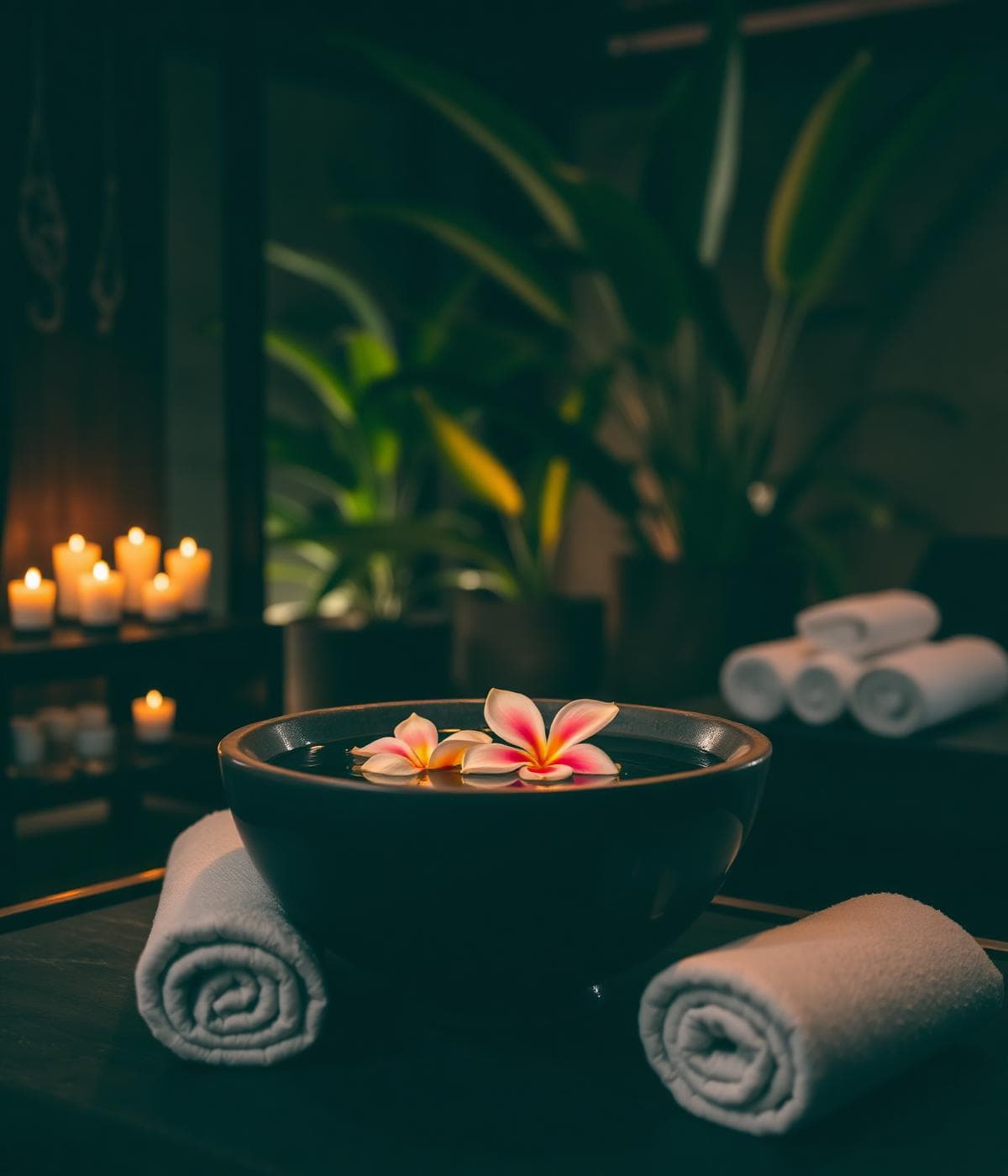
Balinese and Javanese massage both draw from Indonesian body-care traditions, yet the experience of each can feel quite different. Understanding their general character helps you choose according to your preferences rather than simply selecting the strongest pressure.
Techniques vary between therapists and services. Explain what you expect before the session and continue to give feedback during the treatment.
The character of Balinese massage
Balinese massage commonly combines long gliding strokes, palm pressure, kneading, gentle stretching, and massage oil. Its rhythm flows across the body and is generally intended to create an overall sense of relaxation.
It can suit first-time massage guests, travellers wanting to rest, and people who prefer gentle to medium pressure. Pressure can still be adjusted, but the overall experience tends to feel balanced and calming.
The character of Javanese massage
Javanese massage is often associated with more deliberate pressure and deeper attention around stiff areas. A therapist may use thumbs, palms, or other parts of the hand to work gradually on tension.
It is commonly selected by guests who already enjoy massage and prefer medium to firm pressure. Javanese massage should not need to feel painful. Sharp pain, numbness, or an unpleasant sensation is a reason to ask for less pressure immediately.
Differences in rhythm and experience
Balinese massage often feels like a continuous sequence moving smoothly from one area to another. Javanese massage can feel more focused, with additional time spent where the body needs attention.
If your main goal is a peaceful atmosphere and general relaxation, Balinese massage is often an easy choice. If you prefer a more grounded touch around tired shoulders, back, or legs, Javanese massage may feel more suitable.
The role of oil and aromatherapy
Both styles may use oil so movements remain comfortable on the skin. Fragrance is often a more noticeable part of the Balinese spa experience. Javanese massage may use enough oil to support slower, more focused pressure.
Tell your therapist if you have sensitive skin, allergies, are pregnant, or dislike a particular scent. You may also request an unscented oil when available.
How should you choose?
Use three simple questions:
- Do you want general relaxation or focused attention around a particular area?
- Are you comfortable with gentle, medium, or firm pressure?
- Do you prefer flowing movements or slower, more deliberate touch?
You do not need to understand every technique name. Simply describe how your body feels and the experience you want. A professional therapist can adjust the session within the service and your comfort boundaries.
A session can be flexible
One session can draw from more than one style when agreed in advance. You might request a relaxing rhythm for most of the body and slightly firmer work around the shoulders or feet.
The label matters less than clear communication. The best choice is the massage that suits your body, pressure preference, and purpose on that particular day.
Explore the NBest Balinese and Javanese massage services before booking a treatment at your villa, hotel, or home.